Quick Summary
Common Symptoms
- Pain in the back of the mouth
- Swollen, tender gums
- Jaw swelling
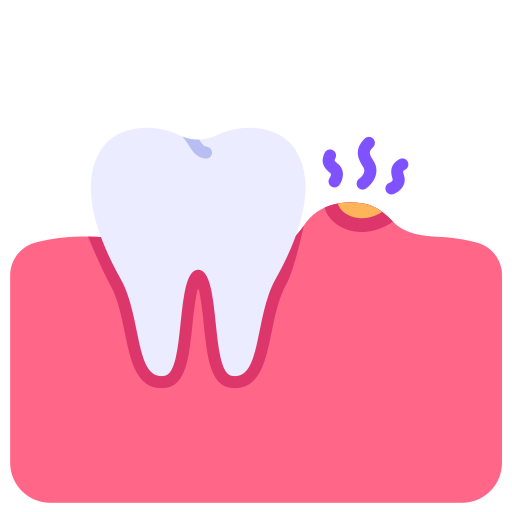
- Bad breath or taste
Treatment Options
- Surgical extraction
- Simple extraction (if erupted)
- Coronectomy (partial removal)
- Monitoring (if asymptomatic)
Impacted Wisdom Teeth: Complete Guide
Wisdom teeth (third molars) are the last teeth to erupt, typically between ages 17-25. In most people, these teeth lack sufficient space to emerge properly, becoming impacted in the jawbone or gums.
Understanding Impacted Wisdom Teeth
Types of Impaction
Soft Tissue Impaction
- Tooth partially covered by gum tissue
- Flap of gum traps food and bacteria
- High infection risk (pericoronitis)
Partial Bony Impaction
- Tooth partially embedded in jawbone
- Erupted at an angle
- May push against adjacent tooth
Complete Bony Impaction
- Tooth fully encased in jawbone
- No eruption potential
- May develop cysts or tumors
Why Impaction Occurs
- Evolutionary reduction in jaw size
- Modern diets requiring less chewing force
- Insufficient space for third molars
- Genetic factors
Complications of Impacted Wisdom Teeth
Pericoronitis
Infection of gum tissue surrounding partially erupted tooth:
- Pain and swelling
- Bad taste and breath
- Difficulty opening mouth
- Recurrent episodes
Damage to Adjacent Teeth
- Root resorption of second molar
- Decay from trapped food
- Gum disease from cleaning difficulty
- Crowding of front teeth
Cysts and Tumors
- Dentigerous cyst formation
- Ameloblastoma (benign tumor)
- Bone destruction
- Rare but serious complications
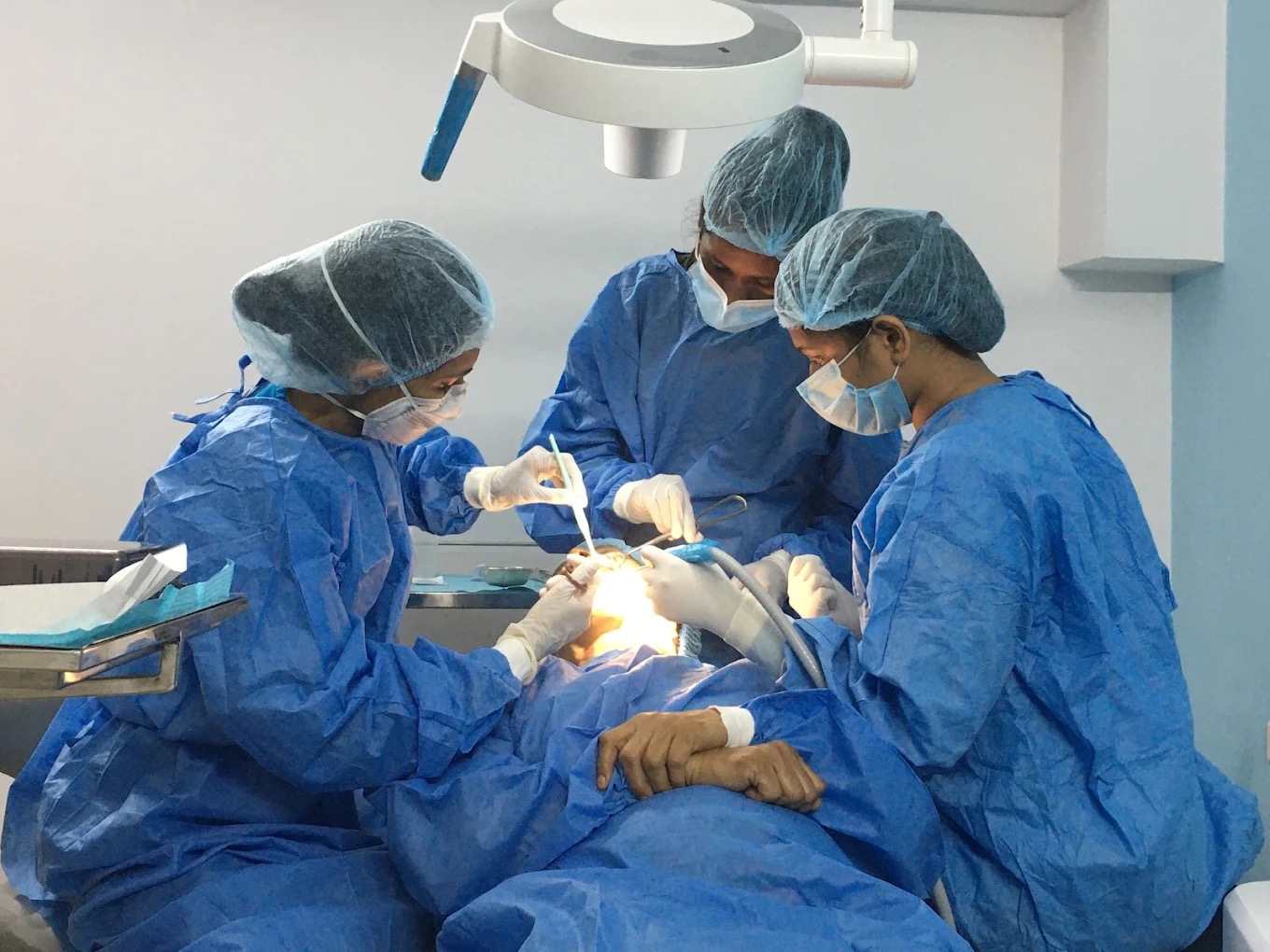
Surgical Extraction at ORC
Advanced Techniques
- 3D CBCT imaging: Precise surgical planning
- Piezosurgery: Ultrasonic bone cutting for safer extraction
- Minimally invasive approach: Smaller incisions, faster healing
- Sedation options: Comfortable experience for anxious patients
Recovery Protocol
- Detailed post-operative instructions
- Prescribed medications for pain and infection prevention
- Follow-up appointment for suture removal
- Emergency contact availability
Common Causes
- Insufficient jaw space
- Improper growth angle
- Evolutionary jaw size reduction
- Genetic predisposition
- Overcrowding
- Delayed eruption
Treatment Options
- Surgical extraction
- Simple extraction (if erupted)
- Coronectomy (partial removal)
- Monitoring (if asymptomatic)
- Antibiotics for infection
- Pain management
Wisdom teeth that don't erupt properly can damage neighboring teeth and cause infections.
Patient Success Story
A 20-year-old had impacted wisdom teeth pushing against healthy molars. Preventive removal avoided future crowding and potential damage.
Why Patients Trust Us
- Affects 85% of people
- Can damage adjacent teeth
- Best removed before age 25
- Painless removal with modern techniques
What Happens If You Delay Impacted Wisdom Teeth?
Preventive removal saved this patient from future pain, crowding, and costly dental work.