Quick Summary
Common Symptoms
- Toothache or spontaneous pain
- Visible holes or pits in teeth
- Sensitivity to hot, cold, or sweet foods
- Brown, black, or white staining on tooth surface
Treatment Options
- Dental fillings (composite resin, amalgam)
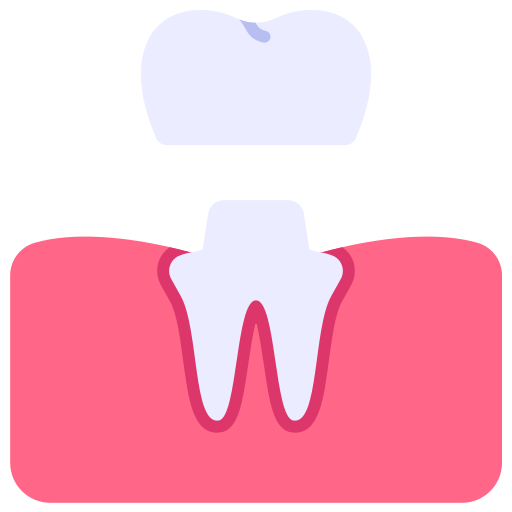
- Dental crowns for extensive decay
- Root canal therapy for deep decay
- Fluoride treatment for early-stage decay
Tooth Decay & Cavities: Complete Guide
Tooth decay (dental caries) is one of the most common oral health conditions worldwide. It occurs when bacteria in your mouth produce acids that erode tooth enamel, eventually creating holes (cavities) in your teeth.
Understanding Tooth Decay
Tooth decay progresses through several stages:
Stage 1: Demineralization
The outer enamel layer loses minerals due to acid attacks from plaque bacteria. At this stage, you may notice a white spot on the tooth. This early damage can often be reversed.
Stage 2: Enamel Decay
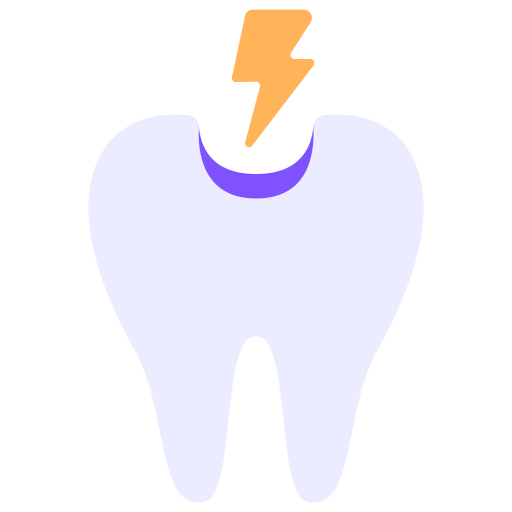
The acid continues to break down enamel, forming a cavity. You may experience mild sensitivity to temperature or sweetness.
Stage 3: Dentin Decay
The decay reaches the softer dentin layer beneath enamel. Pain and sensitivity increase significantly as dentin contains tiny tubes connecting to the tooth nerve.
Stage 4: Pulp Infection
Bacteria reach the tooth pulp (nerve and blood vessels), causing infection, inflammation, and severe pain. Root canal therapy becomes necessary.
Stage 5: Abscess Formation
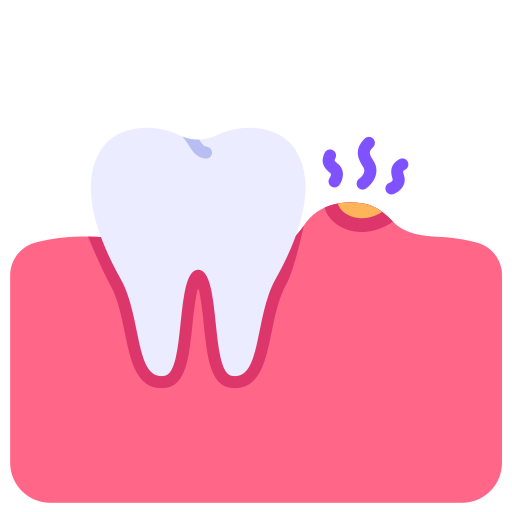
Untreated decay leads to a dental abscess - a pocket of pus at the tooth root. This is a serious infection requiring immediate treatment.
Advanced Treatment Options at ORC
Our Bangalore clinic offers comprehensive decay treatment using the latest technology:
- Minimally Invasive Fillings: We preserve as much healthy tooth structure as possible using tooth-colored composite resin
- Laser Cavity Detection: Identify decay earlier with DIAGNOdent laser technology
- Sedation Options: Comfortable treatment for anxious patients
- Same-Day Crowns: CEREC technology for natural-looking restorations in one visit
When to See a Dentist
Visit ORC Dental immediately if you experience:
- Persistent toothache lasting more than 24 hours
- Sharp pain when biting or chewing
- Sensitivity that doesn’t go away
- Visible holes or dark spots on teeth
- Swelling around a tooth
Prevention Tips for Tooth Decay
Preventing cavities requires consistent daily habits and regular professional care:
- Brush twice daily with fluoride toothpaste for 2 minutes each time. Use gentle circular motions, not aggressive scrubbing.
- Floss daily to remove plaque between teeth where your brush cannot reach. This accounts for 35% of tooth surfaces.
- Limit sugary snacks and drinks: Each sugar exposure creates an acid attack lasting 20-30 minutes. Reduce frequency of sugar intake.
- Drink fluoridated water: Fluoride in drinking water is one of the most effective cavity prevention methods.
- Dental sealants: Protective coatings applied to chewing surfaces of back teeth where most cavities form in children.
- Regular checkups every 6 months: Early detection catches demineralization before cavities form.
- Chew sugar-free gum after meals when brushing is not possible. Xylitol gum reduces cavity-causing bacteria.
- Eat tooth-friendly foods: Cheese, nuts, and crunchy vegetables stimulate saliva and provide minerals for enamel repair.
When to See a Doctor About Tooth Decay
Don’t wait until pain becomes severe. Visit our Bangalore clinic if you notice:
- Tooth sensitivity to hot, cold, or sweet foods that lasts more than a few seconds
- Mild toothache that comes and goes — this often indicates early decay
- Visible dark spots or staining on tooth surfaces
- Food getting stuck between teeth more frequently
- Rough edges felt with your tongue on tooth surfaces
- Bad breath that persists despite good oral hygiene
Early-stage decay can often be reversed with fluoride treatment. Delaying treatment turns a simple filling into a root canal or extraction.
Treatment Options in Bangalore
At Oral Rehabilitation Center, we use minimally invasive techniques to treat tooth decay:
- Laser cavity detection: DIAGNOdent technology identifies decay earlier than traditional methods, often when it can still be reversed
- Tooth-colored composite fillings: Natural-looking restorations that preserve maximum healthy tooth structure
- Fluoride varnish treatments: Professional-strength fluoride applications to remineralize early-stage decay
- Dental sealants: Preventive protection for children’s and adults’ back teeth
- CEREC same-day crowns: For extensive decay, custom ceramic crowns designed and placed in a single visit
- Sedation options: Comfortable treatment for anxious patients, including nitrous oxide and oral sedation
- Pediatric decay management: Gentle, child-friendly approach with age-appropriate prevention education
Common Causes
- Poor oral hygiene allowing plaque buildup
- Frequent consumption of sugary foods and drinks
- Bacterial infection (Streptococcus mutans)
- Dry mouth reducing protective saliva
- Acid reflux exposing teeth to stomach acid
Treatment Options
- Dental fillings (composite resin, amalgam)
- Dental crowns for extensive decay
- Root canal therapy for deep decay
- Fluoride treatment for early-stage decay
- Tooth extraction for severely damaged teeth
Tooth decay is the most common chronic disease in the world — but it's 100% preventable.
Patient Success Story
A child with 8 cavities from excessive juice consumption got treated painlessly and learned proper brushing techniques. Zero cavities at the next check-up.
Why Patients Trust Us
- 100% preventable with proper care
- Early detection saves teeth
- Fluoride treatment effective
- Sealants protect children's teeth
What Happens If You Delay Tooth Decay & Cavities?
From multiple cavities to zero — proper prevention and care made all the difference.