Quick Summary
Common Symptoms
- Sticky, dry feeling in mouth
- Frequent thirst
- Difficulty swallowing or speaking
- Sore throat or hoarseness
Treatment Options
- Saliva substitutes
- Saliva stimulation medications
- Fluoride treatments
- Sugar-free gum and lozenges
Dry Mouth (Xerostomia): Complete Guide
Dry mouth occurs when salivary glands don’t produce enough saliva to keep your mouth moist. Beyond discomfort, chronic dry mouth significantly impacts oral health and quality of life.
The Importance of Saliva
Saliva serves critical functions:
- Neutralizes acids that erode enamel
- Washes away food particles and bacteria
- Contains enzymes that begin digestion
- Provides minerals for enamel repair
- Controls bacteria and fungal growth
Complications of Dry Mouth
- Rampant tooth decay: Without saliva’s protective effects
- Gum disease: Increased bacterial growth
- Oral infections: Fungal infections like thrush
- Difficulty wearing dentures: Lack of lubrication
- Nutritional problems: Difficulty chewing and swallowing
- Speech difficulties: Dry tissues affect articulation
Treatment at ORC
Stimulating Saliva Flow
- Sugar-free gum with xylitol
- Saliva substitute products
- Prescription medications (pilocarpine)
- Acupuncture for some patients
Protecting Teeth
- High-fluoride treatments
- Regular checkups every 3 months
- Aggressive cavity prevention
- Custom fluoride trays
Prevention Tips for Dry Mouth
Preventing dry mouth complications requires proactive daily habits:
- Stay hydrated: Drink at least 8 glasses of water daily. Sip water throughout the day to keep oral tissues moist.
- Avoid caffeine and alcohol: Both substances dehydrate oral tissues and worsen dry mouth symptoms.
- Use a humidifier: Sleeping with a cool-mist humidifier adds moisture to the air and prevents morning dryness.
- Chew sugar-free gum: Xylitol-based gum stimulates natural saliva flow and protects against decay.
- Limit sugary foods: Reduced saliva means less natural protection against cavity-causing bacteria.
- Avoid alcohol-based mouthwashes: These dry out tissues further. Use alcohol-free rinses instead.
- Breathe through your nose: Mouth breathing accelerates moisture loss. Address nasal congestion if present.
When to See a Doctor About Dry Mouth
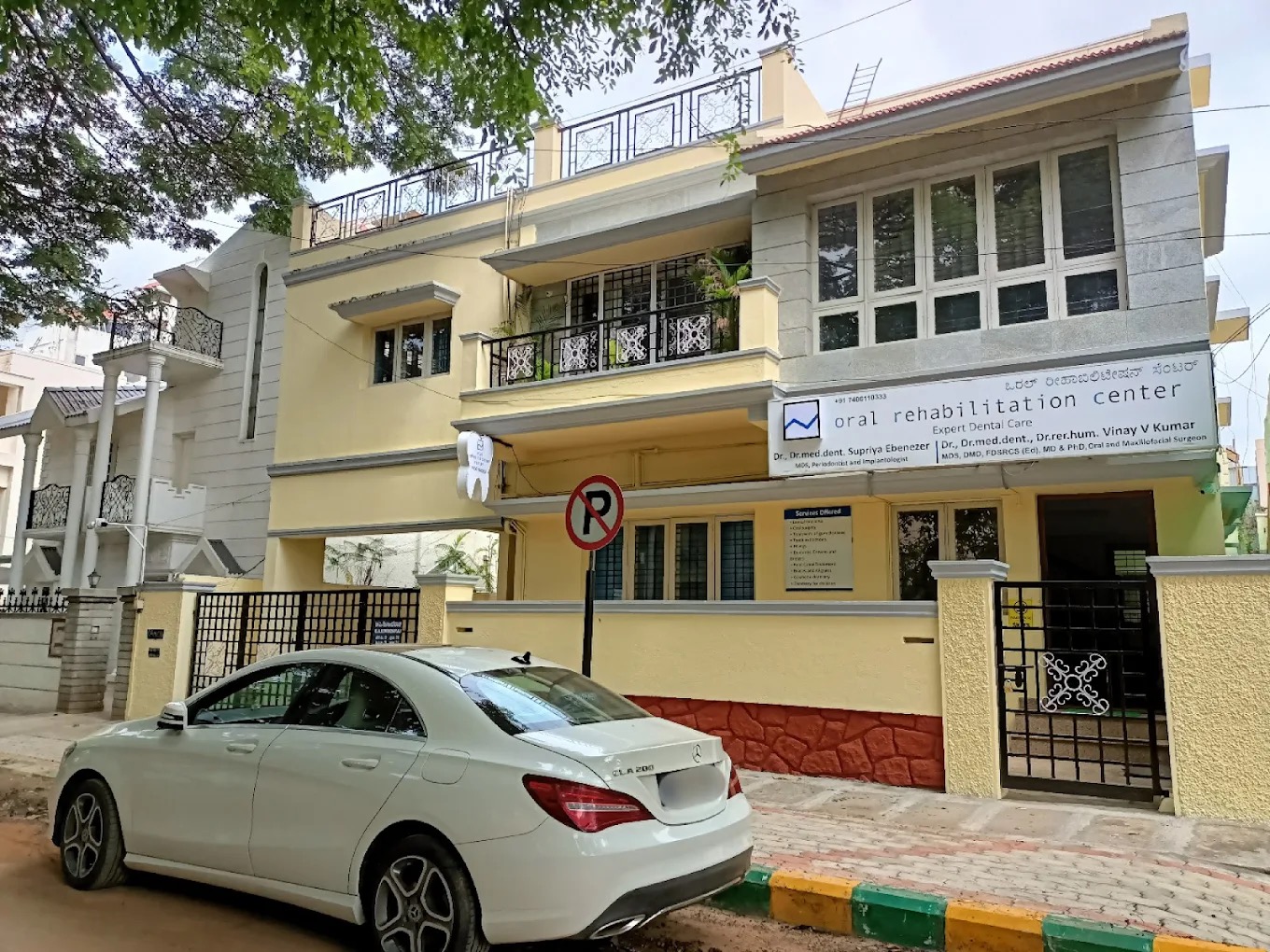
Don’t ignore chronic dry mouth — it can signal underlying health issues. Visit our Bangalore clinic if you experience:
- Persistent dryness lasting more than 2 weeks despite increased water intake
- Difficulty swallowing or chronic sore throat
- Multiple new cavities appearing in a short period
- Altered taste or persistent metallic taste in the mouth
- Cracked lips or dry, peeling oral tissues
- White patches on the tongue or inner cheeks (possible fungal infection)
- Dry mouth alongside other symptoms like dry eyes, joint pain, or fatigue (could indicate Sjogren’s syndrome)
Early intervention prevents serious complications. Our dentists can identify the root cause and create a customized management plan.
Treatment Options in Bangalore
At Oral Rehabilitation Center, we offer comprehensive dry mouth management:
- Saliva stimulation therapy: Prescription medications like pilocarpine that stimulate natural saliva production
- Custom fluoride trays: Personalized trays for at-home high-fluoride applications to strengthen weakened enamel
- Biotene product recommendations: Complete line of saliva substitute products including rinses, gels, and sprays
- Underlying condition management: Coordination with your physician to adjust medications or treat conditions causing dry mouth
- Advanced diagnostic testing: Salivary flow rate measurement and composition analysis
- Preventive care program: Quarterly checkups with intensive fluoride treatments and oral cancer screening
Book a consultation to discuss your dry mouth symptoms and get a personalized treatment plan.
Common Causes
- Medications (antihistamines, antidepressants)
- Sjogren's syndrome
- Diabetes
- Radiation therapy
- Nerve damage
- Dehydration
Treatment Options
- Saliva substitutes
- Saliva stimulation medications
- Fluoride treatments
- Sugar-free gum and lozenges
- Humidifier at night
- Treating underlying conditions
Chronic dry mouth isn't just uncomfortable — it triples your risk of tooth decay.
Patient Success Story
A patient on blood pressure medication developed severe dry mouth and multiple cavities. Saliva substitutes and fluoride treatments stabilized their oral health.
Why Patients Trust Us
- Affects 20% of adults
- Medication is the #1 cause
- Triples decay risk
- Treatable with proper management
What Happens If You Delay Dry Mouth (Xerostomia)?
Managing dry mouth prevented further decay and improved this patient's overall oral comfort.