Dental Implants – Types, Advantages, Procedure, Cost, and Risks
Dental implants are the gold standard for replacing missing teeth. They provide a permanent, natural-looking solution that functions just like your natural teeth. But what exactly are dental implants, and are they right for you?
What Are Dental Implants?
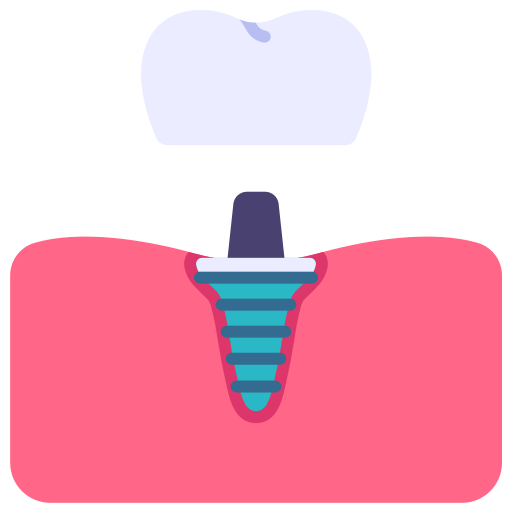
Dental implants are small titanium posts surgically placed into your jawbone to serve as artificial tooth roots. Once integrated with the bone, they provide a stable foundation for crowns, bridges, or dentures.
Types of Dental Implants
1. Endosteal Implants (Most Common)
- Placed directly into the jawbone
- Screw-shaped, cylinder-shaped, or blade-shaped
- Used as an alternative to bridges or removable dentures
- Best for: Patients with adequate jawbone density
2. Subperiosteal Implants
- Placed under the gum but above the jawbone
- Metal framework posts protrude through the gums
- Used when jawbone height is insufficient
- Best for: Patients with significant bone loss
3. All-on-4 Implants
- Full arch restoration using only 4 implants
- Immediate function (temporary teeth same day)
- Cost-effective for full mouth restoration
- Best for: Patients missing all or most teeth
Advantages of Dental Implants
Oral Health Benefits
- Preserves jawbone - Prevents bone deterioration
- Protects adjacent teeth - No need to alter neighboring teeth
- Restores bite force - Eat all your favorite foods
- Maintains facial structure - Prevents sagging appearance
Quality of Life Benefits
- Natural appearance - Look and feel like real teeth
- Permanent solution - Can last a lifetime with proper care
- Improved speech - No slipping like dentures
- Enhanced confidence - Smile without hesitation
- Easy maintenance - Brush and floss normally
The Implant Procedure: What to Expect
Phase 1: Consultation and Planning (1-2 visits)
- Comprehensive dental examination
- 3D imaging and X-rays
- Treatment plan development
- Discussion of options and costs
Phase 2: Implant Placement Surgery (1 visit)
- Local anesthesia administered
- Implant post surgically placed in jawbone
- Gum tissue sutured closed
- Healing period begins (3-6 months)
Phase 3: Osseointegration (3-6 months)
- Implant fuses with jawbone
- Regular check-ups to monitor healing
- Temporary tooth replacement if needed
Phase 4: Abutment Placement (1 visit)
- Minor surgery to attach abutment
- Gum tissue heals around abutment (2 weeks)
- Impressions taken for crown
Phase 5: Crown Placement (1-2 visits)
- Custom crown fabricated
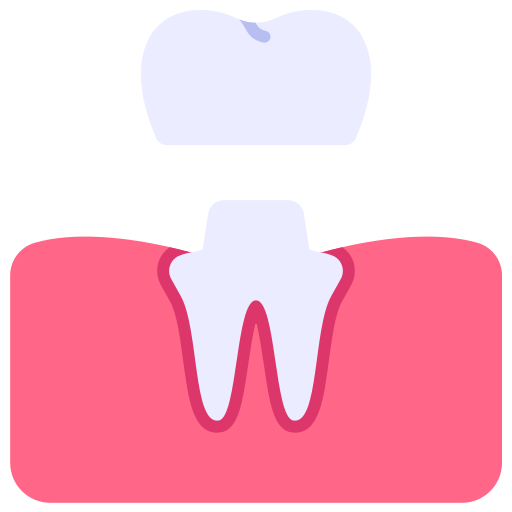
- Crown attached to abutment
- Final adjustments for perfect fit
Who Is a Good Candidate?
Ideal candidates have:
- Missing one or more teeth
- Adequate jawbone density
- Healthy gums (no active periodontal disease)
- Good overall health
- Non-smokers (or willing to quit during healing)
- Commitment to oral hygiene
If you lack sufficient bone density, bone grafting may be an option.
Cost of Dental Implants in Bangalore
Single Tooth Implant
- contact for quote per implant
- Includes implant, abutment, and crown
- Varies based on implant brand and crown material
Multiple Implants
- contact for quote for 2-3 implants
- Implant-supported bridge option available
All-on-4 Full Mouth
- contact for quote per arch
- Complete restoration with just 4 implants
- Immediate function available
Factors Affecting Cost
- Implant brand (premium vs. economy)
- Crown material (porcelain, zirconia, metal)
- Need for bone grafting
- Specialist fees
- Geographic location
At ORC, we offer transparent pricing with no hidden costs and flexible EMI options.
Potential Risks and Complications
While dental implants have a 98.7% success rate, potential risks include:
Surgical Risks
- Infection at implant site
- Injury to surrounding teeth or blood vessels
- Nerve damage causing pain or numbness
- Sinus problems (upper jaw implants)
Long-Term Risks
- Implant failure (rare)
- Peri-implantitis (gum disease around implant)
- Mechanical problems (loosening of crown)
Minimizing Risks
- Choose an experienced implant dentist
- Follow pre and post-operative instructions
- Maintain excellent oral hygiene
- Attend regular check-ups
- Avoid smoking
Recovery Timeline
First 24 Hours
- Rest and avoid strenuous activity
- Apply ice packs to reduce swelling
- Take prescribed medications
- Eat soft foods only
First Week
- Swelling and discomfort decrease
- Gradually return to normal diet
- Continue gentle oral hygiene
- Attend follow-up appointment
3-6 Months
- Implant integrates with bone
- Normal oral hygiene routine
- Regular dental check-ups
- Prepare for crown placement
Implant Care and Maintenance
Caring for dental implants is similar to caring for natural teeth:
- Brush twice daily with soft-bristled brush
- Floss daily using implant-specific floss
- Use antimicrobial mouthwash
- Regular dental cleanings every 6 months
- Avoid hard foods that could damage the crown
- Don’t smoke - increases failure risk
- Attend check-ups as recommended
Implants vs. Alternatives
Dental Implants
- Longevity: Lifetime with proper care
- Bone preservation: Yes
- Adjacent teeth: Unaffected
- Cost: Higher upfront, lower long-term
- Maintenance: Like natural teeth
Dental Bridges
- Longevity: 10-15 years
- Bone preservation: No
- Adjacent teeth: Must be altered
- Cost: Moderate
- Maintenance: Special flossing required
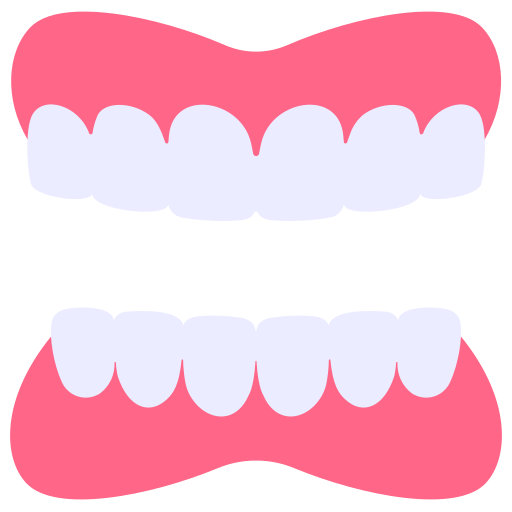
Dentures
- Longevity: 5-8 years
- Bone preservation: No (accelerates bone loss)
- Adjacent teeth: Unaffected
- Cost: Lower upfront, higher long-term
- Maintenance: Daily removal and cleaning
Our Implant Expertise at ORC
Oral Rehabilitation Center has pioneered dental implant treatment in Bangalore with:
- 98.7% success rate - Above industry average
- Internationally trained surgeons - German and Swiss expertise
- Advanced technology - 3D guided implant placement
- Lifetime warranty on implants
- Transparent pricing - No hidden costs
- Flexible payment plans - EMI options available
- Published research - Contributing to implant science
Frequently Asked Questions
Q: How long do dental implants last? A: With proper care, implants can last a lifetime. The crown may need replacement after 10-15 years.
Q: Is the surgery painful? A: No, the procedure is performed under local anesthesia. Most patients report minimal discomfort.
Q: Can I get implants if I have diabetes? A: Yes, if your diabetes is well-controlled. We have specialized protocols for diabetic patients.
Q: How soon can I eat normally? A: Soft foods for the first week, then gradually return to normal diet. Full chewing function after crown placement.
Ready to Restore Your Smile?
Dental implants are an investment in your oral health, confidence, and quality of life. With proper care, they can last a lifetime.
Schedule a consultation with our implant specialists to discuss your options and receive a personalized treatment plan.
Contact ORC Dental today and take the first step toward a complete, beautiful smile.