Root Canal Therapy – Everything You Need to Know
Root canal therapy has an undeserved reputation for being painful. The truth? Modern root canal treatment is no more uncomfortable than getting a filling, and it actually relieves the pain caused by infected or inflamed tooth pulp.
What is a Root Canal?
A root canal is a dental procedure that removes infected or damaged pulp from inside a tooth, cleans and disinfects the area, then fills and seals it to prevent reinfection. This treatment saves teeth that would otherwise need extraction.
Why You Might Need a Root Canal
Common reasons include:
- Deep decay reaching the tooth pulp
- Repeated dental procedures on the same tooth
- Cracked or chipped tooth exposing pulp
- Dental trauma from injury
- Large fillings compromising tooth structure
Signs You Need Root Canal Treatment
- Severe toothache when chewing or applying pressure
- Prolonged sensitivity to hot or cold temperatures
- Discoloration (darkening) of the tooth
- Swelling and tenderness in nearby gums
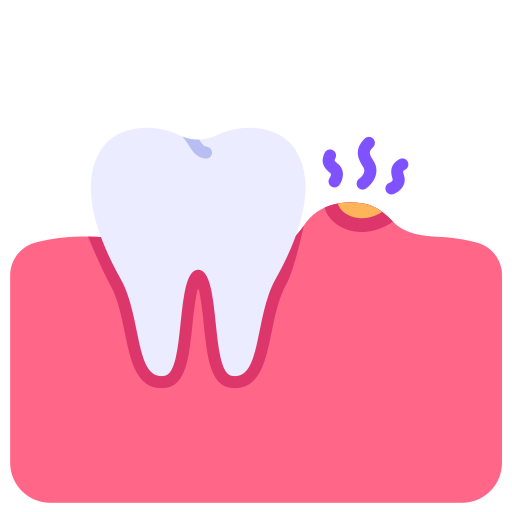
- Persistent or recurring pimple on the gums
- Deep decay or darkening of the gum
The Root Canal Procedure: Step by Step
Step 1: Diagnosis and X-Rays
Your dentist examines the tooth and takes X-rays to assess the extent of damage and plan the treatment.
Step 2: Anesthesia
Local anesthesia numbs the tooth and surrounding area. You’ll be comfortable throughout the procedure.
Step 3: Access Opening
A small opening is made in the crown of the tooth to access the pulp chamber.
Step 4: Pulp Removal
The infected or damaged pulp is carefully removed using specialized instruments.
Step 5: Cleaning and Shaping
The root canals are cleaned, disinfected, and shaped to prepare for filling.
Step 6: Filling
The cleaned canals are filled with a biocompatible material called gutta-percha and sealed.
Step 7: Restoration
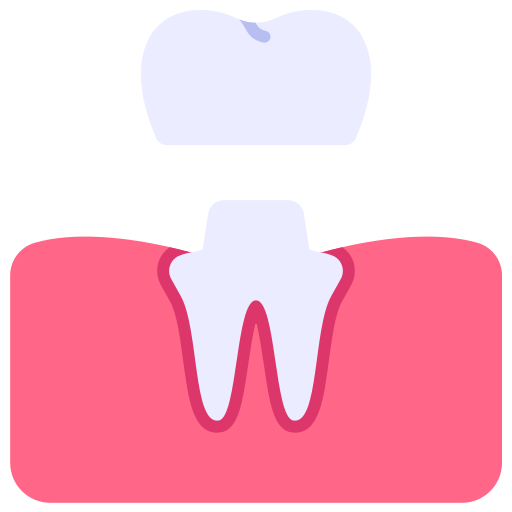
A crown or filling is placed to restore the tooth’s function and appearance.
Does It Hurt?
Myth: Root canals are extremely painful. Fact: With modern anesthesia and techniques, most patients report minimal discomfort during and after the procedure.
What you’ll actually experience:
- Numbness during the procedure (no pain)
- Mild soreness for a few days after
- Relief from the original tooth pain
- Quick return to normal activities
Recovery and Aftercare
First 24-48 Hours
- Avoid chewing on the treated tooth
- Take prescribed pain medication if needed
- Rinse with warm salt water
- Eat soft foods
Long-Term Care
- Maintain regular brushing and flossing
- Attend follow-up appointments
- Get the recommended crown
- Continue regular dental checkups
Success Rate and Longevity
Root canal treatment has a 95% success rate and can last a lifetime with proper care. The key factors for long-term success:
- Proper restoration with a crown
- Good oral hygiene practices
- Regular dental checkups
- Avoiding hard foods that could crack the tooth
Alternatives to Root Canal
The only alternative is tooth extraction, but this creates new problems:
- Shifting of adjacent teeth
- Difficulty chewing
- Bone loss in the jaw
- Need for implants or bridges
- Higher overall cost
Root canal treatment is almost always the better option for preserving your natural tooth and oral health.
Cost of Root Canal Treatment
The cost varies based on:
- Which tooth is treated (molars are more complex)
- Severity of the infection
- Need for specialist (endodontist)
- Type of restoration required
Most dental insurance plans cover a portion of root canal treatment.
When to See an Endodontist
While general dentists perform many root canals, you may be referred to an endodontist (root canal specialist) for:
- Complex root canal systems
- Retreatment of previous root canals
- Surgical root canal procedures
- Teeth with unusual anatomy
Our Expertise at ORC
At Oral Rehabilitation Center, we use advanced rotary instruments and digital imaging to ensure precise, comfortable root canal treatment. Our goal is to save your natural tooth and eliminate your pain.
Don’t let fear of pain delay treatment. An infected tooth won’t heal on its own and will only worsen over time. Contact us today for a pain-free root canal experience.