
Quick Summary
Common Symptoms
- Sharp pain when eating hot or cold foods
- Discomfort from sweet or acidic foods
- Pain when breathing in cold air
- Sensitivity during dental procedures
Treatment Options
- Fluoride varnish applications
- Desensitizing toothpaste
- Dental bonding for exposed roots
- Gum graft surgery for recession
Tooth Sensitivity: Complete Guide
Tooth sensitivity (dentin hypersensitivity) causes sharp, temporary pain when teeth are exposed to hot, cold, sweet, or acidic stimuli. It affects up to 12.5% of the population and significantly impacts quality of life.
Understanding Tooth Sensitivity
The Science
Teeth have three layers:
- Enamel (outer): Hard, protective, non-living tissue
- Dentin (middle): Contains microscopic tubules connected to nerves
- Pulp (inner): Houses nerves and blood vessels
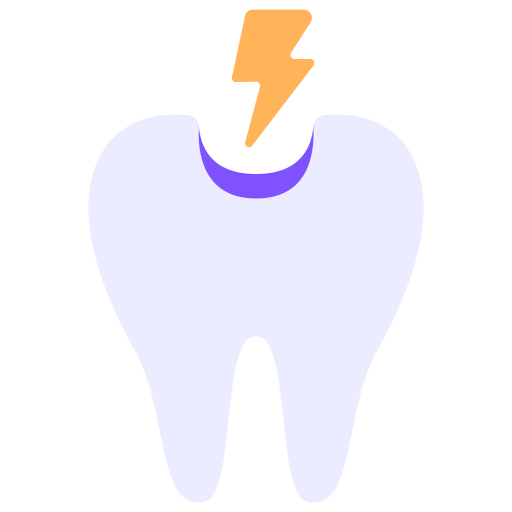
When enamel wears thin or gums recede, the dentin tubules become exposed. Hot, cold, or sweet stimuli travel through these tubules to the nerve, causing sharp pain.
Common Triggers
- Thermal: Hot coffee, ice cream, cold drinks
- Chemical: Citrus fruits, soda, wine, vinegar
- Tactile: Brushing, flossing, dental instruments
- Osmotic: Sugary foods, sweet beverages
Causes of Sensitivity
Enamel Erosion
Acidic foods and drinks (citrus, soda, sports drinks) dissolve enamel minerals. Over time, enamel thins, exposing dentin.
Gum Recession
Gum disease or aggressive brushing pulls gums away from teeth, exposing sensitive root surfaces. Root surfaces lack protective enamel.
Bruxism (Teeth Grinding)
Chronic grinding wears enamel and creates micro-cracks, exposing dentin and causing sensitivity.
Dental Procedures
Teeth whitening, fillings, and cleanings can cause temporary sensitivity that resolves within days to weeks.
Treatment Options at ORC
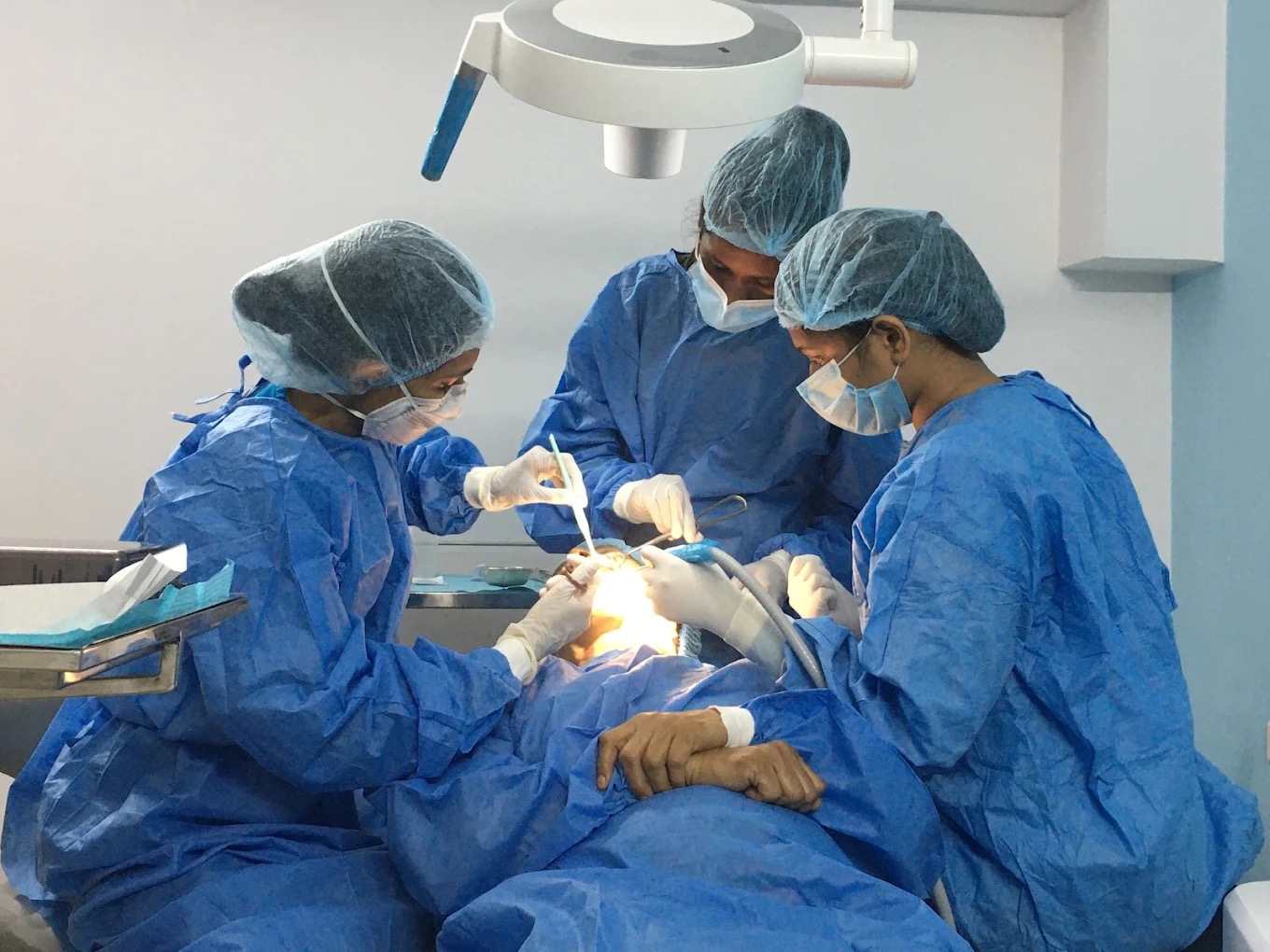
In-Office Treatments
- Fluoride Varnish: High-concentration fluoride strengthens enamel and blocks tubules
- Desensitizing Agents: Gluma desensitizer penetrates dentin to seal nerve endings
- Dental Bonding: Composite resin covers exposed root surfaces
- Laser Treatment: Low-level laser seals dentin tubules
At-Home Solutions
- Prescription Toothpaste: High-fluoride or potassium nitrate formulas
- Soft-Bristle Brush: Prevents further enamel wear
- Night Guard: Protects against grinding-related sensitivity
Common Causes
- Enamel erosion from acidic foods
- Gum recession exposing dentin
- Aggressive brushing wearing enamel
- Teeth grinding (bruxism)
- Cracked or chipped teeth
- Recent dental work (temporary sensitivity)
Treatment Options
- Fluoride varnish applications
- Desensitizing toothpaste
- Dental bonding for exposed roots
- Gum graft surgery for recession
- Root canal for severe sensitivity
- Night guards for bruxism
If ice cream makes you wince, you're not alone — 1 in 8 adults has sensitive teeth.
Patient Success Story
A patient couldn't enjoy hot or cold foods without pain. Desensitizing treatment and gum recession coverage eliminated the sensitivity within 2 weeks.
Why Patients Trust Us
- Affects 12.5% of adults
- Often caused by gum recession
- Multiple treatment options
- Reversible in most cases
What Happens If You Delay Tooth Sensitivity?
From wincing at every meal to enjoying all foods again — sensitivity treatment changed everything.